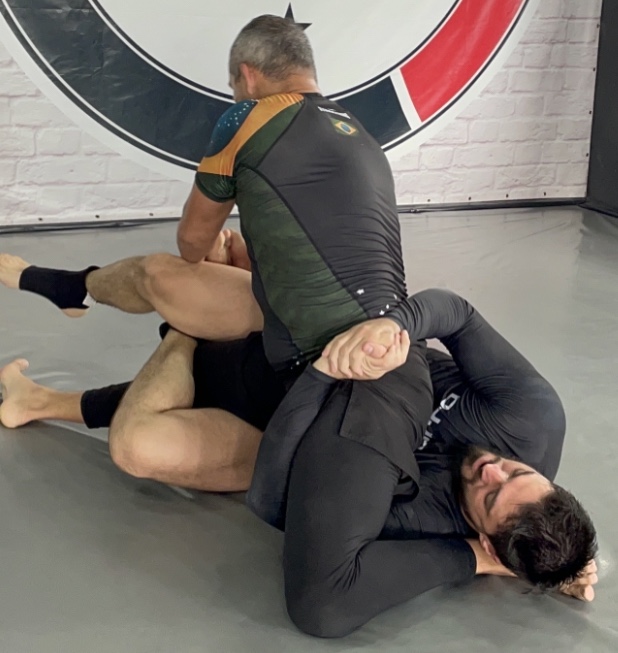
I’ve lived Jiu-Jitsu from every possible angle 🥋

I’ve lived Jiu-Jitsu from every possible angle. I’ve been the beginner trying to survive the first class, the athlete chasing medals, the competitor feeling the thrill of victory and the weight of defeat. I’ve stood in the corner as a coach, carrying the responsibility for someone else’s dream. And today, I stand in the center of the mat as a referee in some of the biggest and most respected events in the world.

Through every role, one thing has remained the same: Jiu-Jitsu is more than a sport. It is a test of character. It humbles you when you think you’re unstoppable. It builds you when you feel like quitting. It teaches discipline when motivation fades. I’ve experienced the highs of winning and the lessons hidden inside losses. Both are necessary. Both shape who you become.

The journey is never a straight line. There are sacrifices, doubts, setbacks, and moments when you question everything. But if you stay consistent, if you respect the process, if you keep stepping on the mat no matter what… growth is inevitable.

Jiu-Jitsu doesn’t just create champions on the podium. It creates stronger men, stronger women, and resilient kids who learn how to face life with confidence. And no matter what role you play, student, athlete, coach, or referee, the mat will always reflect who you truly are🥋
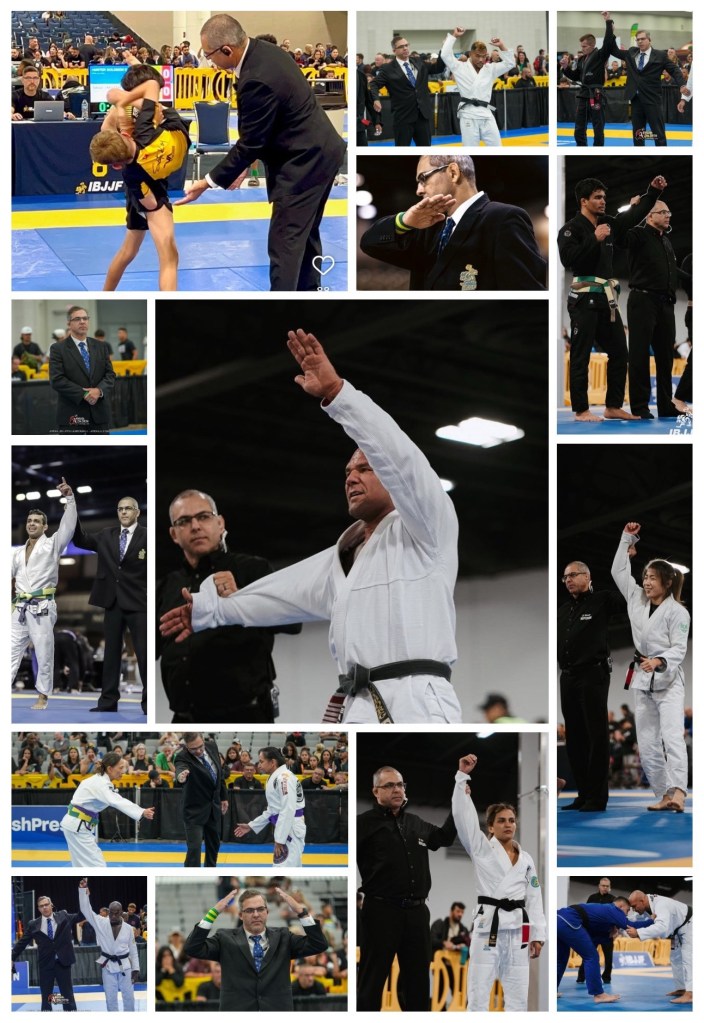
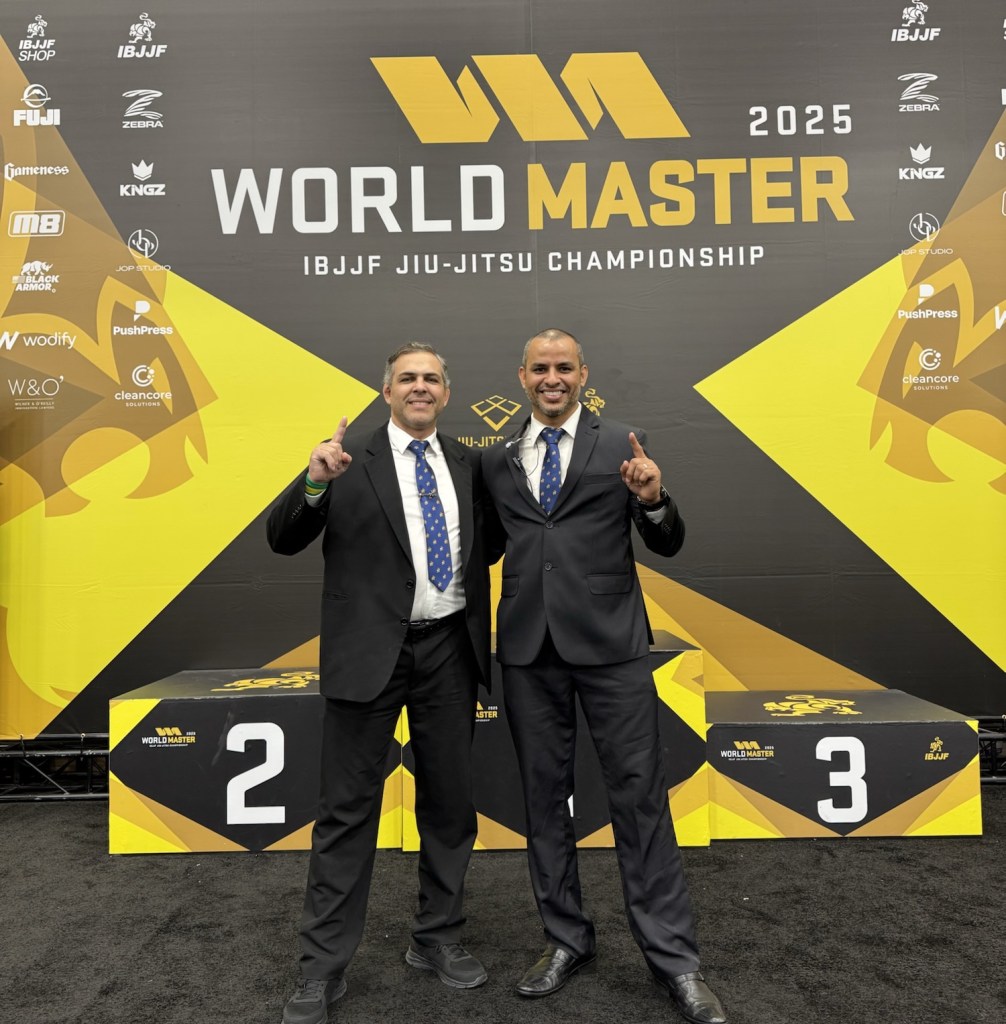
Jiu-Jitsu World Master IBJJF 2025

The Jiu-Jitsu World Master Championship in Las Vegas has just ended, considered the biggest jiu-jitsu event in the world, once again breaking records with over 12,000 competitors. I had the honor of being part of the referee team once again, and I’m very happy to contribute to an event of this magnitude. An incredible experience that strengthens my journey in jiu-jitsu even more. 🥋

Thank you International Brazilian Jiu-Jitsu Federation to make this happen 🥋

World Master IBJJF

Jiu-Jitsu World Master 2025

It was an honor to be at the Jiu-Jitsu World Master 2025 in Las Vegas, the biggest championship of the sport in the world. A true gathering of legends from jiu-jitsu, the UFC, and the entire fight community. Such a great pleasure to share this moment with Dimitrius Johnson, a star who inspires generations. 🥋🔥

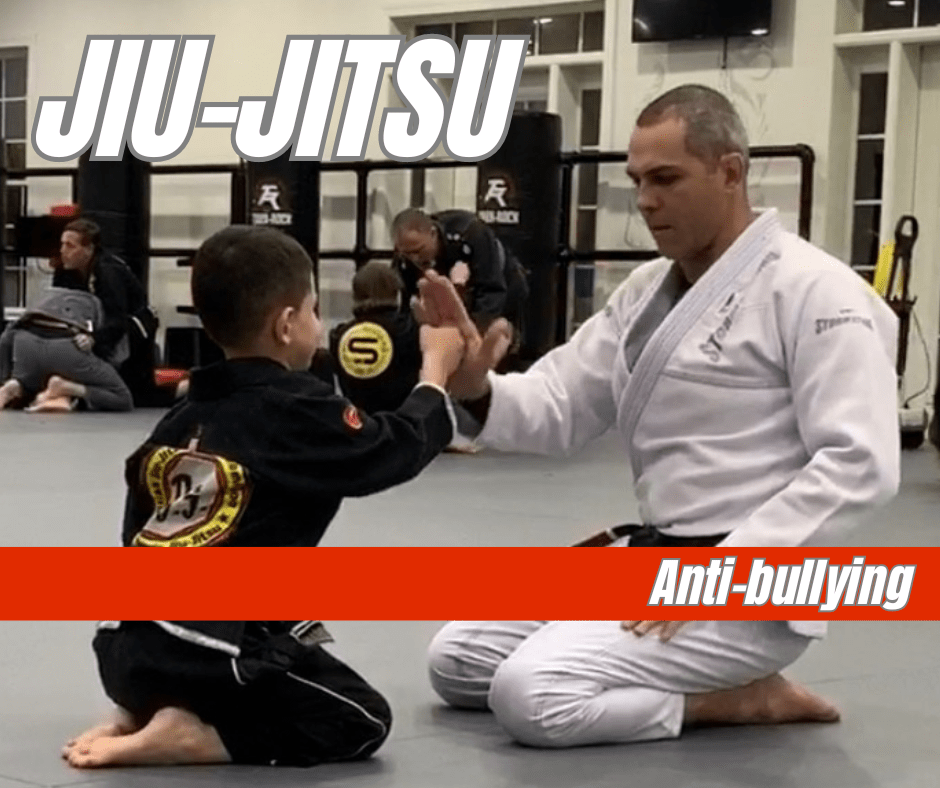
Anti-Bullying

Bullying is a growing problem in our society, affecting millions of children and teenagers worldwide. It can cause lasting emotional and psychological damage, impacting the self-esteem, academic performance, and mental health of its victims. Among various strategies to combat this issue, jiu-jitsu stands out as a powerful and effective tool in the fight against bullying.

Jiu-jitsu, a martial art that emphasizes technique over brute strength, offers much more than self-defense skills. It teaches discipline, respect, self-control, and resilience. By learning jiu-jitsu, children and teenagers develop strong self-confidence, knowing they have the ability to protect themselves if necessary. This confidence reduces the likelihood of becoming targets of bullying, as aggressors tend to choose victims who appear vulnerable and insecure.

Moreover, jiu-jitsu promotes an environment of camaraderie and mutual support. In training sessions, practitioners learn to respect each other, regardless of their skill level or experience. This culture of respect extends beyond the mats, helping to create more supportive and empathetic school communities. Jiu-jitsu practitioners often become advocates for their peers, using their learned skills and values to intervene and protect those who are being harassed.

The practice of jiu-jitsu also teaches the importance of perseverance and peaceful conflict resolution. Instead of resorting to violence, students are encouraged to use their intelligence and techniques to control situations safely and effectively. This approach can transform how a child deals with confrontations and challenges in their daily life, promoting peaceful and constructive solutions.

In addition to individual benefits, implementing jiu-jitsu programs in schools can significantly positively impact the overall school culture. Regular classes can create a more united school community where mutual respect and protection are prioritized. When students feel they are in a safe and supportive environment, the incidence of bullying tends to decrease, creating a space where everyone can thrive.

In conclusion, jiu-jitsu is a valuable tool in the fight against bullying. It offers more than self-defense; it teaches essential life skills that help children and teenagers become confident, respectful, and resilient individuals. By promoting the practice of jiu-jitsu in schools and communities, we can create safer and more welcoming environments where bullying is effectively combated and children can grow in a supportive and respectful atmosphere.

The Vital Importance of Referees in the World of Jiu-Jitsu

In the vibrant universe of jiu-jitsu competitions, where the martial art becomes a stage of skill, strategy, and respect, referees are the guardians of integrity and competitive spirit. More than mere observers, they are fundamental pillars that ensure each match is fair, safe, and truly representative of the competitors’ talent.

To become a jiu-jitsu referee, the path is demanding and challenging. Achieving the black belt is only the first step in a journey that requires daily study and an unwavering commitment to technical and ethical improvement. Furthermore, the pursuit of qualification to officiate means staying constantly updated with the ever-evolving rules of this dynamic sport.

In high-level competitions, such as world championships, referees play a crucial role that goes beyond simply enforcing the rules. They are responsible for ensuring that each move is executed with precision, that each point is deserved, and that the safety of the athletes is always a priority.

The presence of qualified referees not only ensures the fairness of competitions but also elevates the entire event’s level. They provide the environment where athletes can showcase their full talent without concerns about fairness or safety issues.

Ultimately, jiu-jitsu referees are the guardians of the essence of this ancient sport. They ensure that tradition, respect, and technical excellence are always present on the mats around the world. Thus, the importance of these professionals goes beyond the technical aspect of fights – they are the defenders of the soul of jiu-jitsu, allowing its beauty and philosophy to continue shining for future generations.

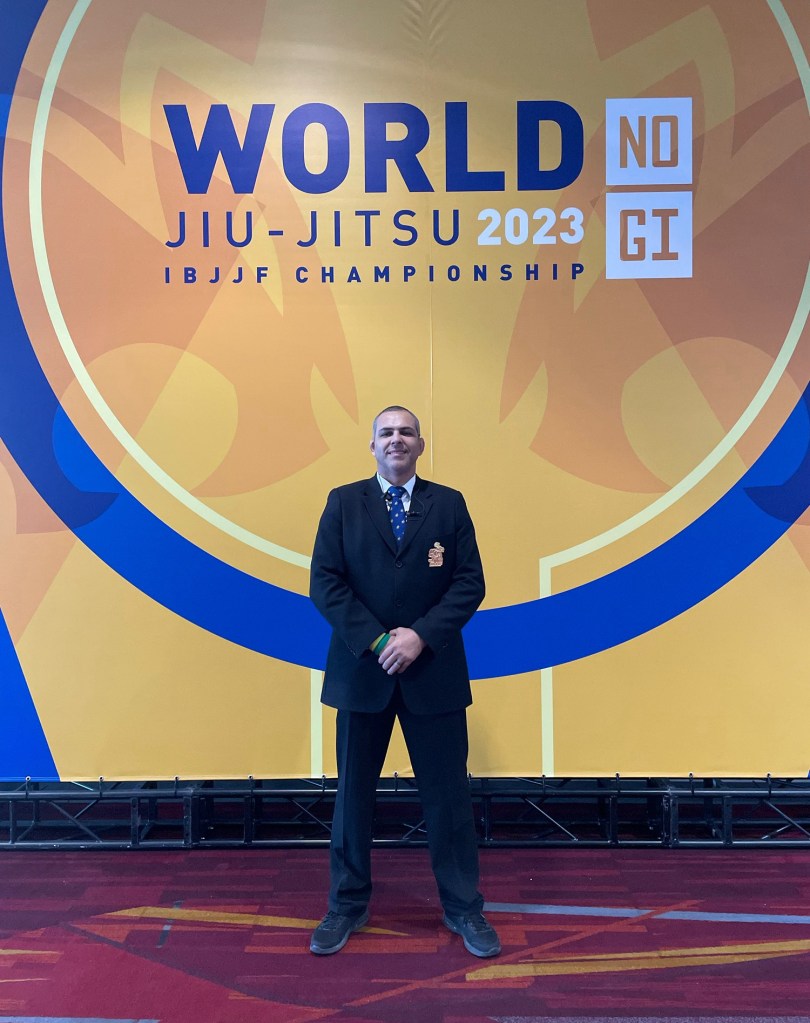
World No Gi 2023 IBJJF

Generational Gathering at the Jiu-Jitsu World Master in Las Vegas

Every year, Las Vegas becomes the epicenter of an event that transcends generations in the world of Jiu-Jitsu: the Jiu-Jitsu World Championship Master IBJJF. This is the place where legendary teachers and young talents come together to compete, share knowledge, and celebrate their passion for the sport.

In an intense week filled with adrenaline, Las Vegas transforms into a true Jiu-Jitsu sanctuary. In addition to the Jiu-Jitsu World Championship Master IBJJF, which attracts the most renowned masters of the sport, there is also the Jiu-Jitsu Con, dedicated to adult category athletes, and the International Kids, where young promises demonstrate their talent and skill.

Last year, these three events brought together an impressive number of competitors: almost 11,000 fighters from all over the world. This magnitude reflects the exponential growth that Jiu-Jitsu has experienced, showing not only the popularity of the sport but also its unifying power, connecting people of different ages, cultures, and backgrounds.

Amidst all this energy and competition, there is an essential group that ensures the smooth running of the event: the referees. They are the guardians of the rules, the voice of impartiality, and the guarantee that each fight is fair and safe. The importance of referees at an event of this magnitude cannot be underestimated; they ensure respect for the sport and provide an environment where talent and technique can shine.

Thus, the Jiu-Jitsu World Championship in Las Vegas is not just a competition, but a true generational gathering. It is the place where masters of the past meet with the rising stars of the future, where stories are told on the mats, and where the passion for Jiu-Jitsu transcends borders and limits. An event that not only celebrates the sport but also the community that makes it so special.

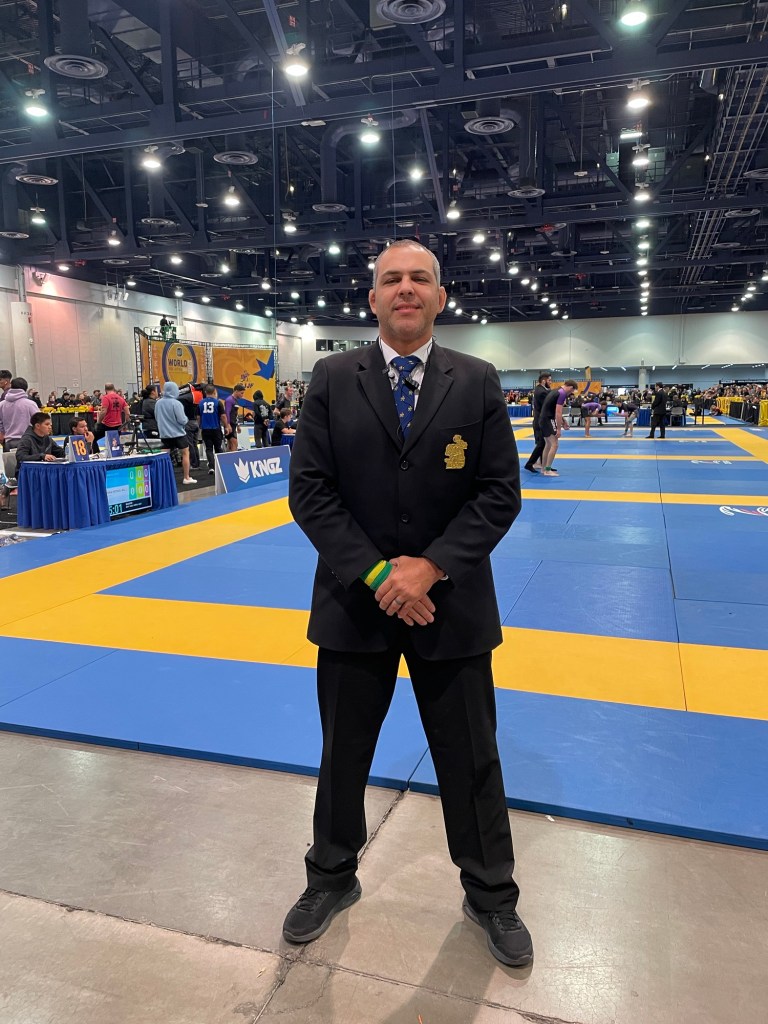
Referees 2023

The Importance of Trust between Jiu-Jitsu Professor and Competing Students

In the world of jiu-jitsu, the relationship between professor and student is paramount for the individual’s success both on and off the mats. This bond goes beyond technical instruction; it is built on a foundation of mutual trust. When it comes to competitions, this trust becomes even more crucial. A professor trusting the students representing their team in competitions is essential for the growth and reputation of the academy. However, when a student decides to leave the team without compelling reasons, it can deeply disappoint the professor and affect the atmosphere of the academy.

For a jiu-jitsu professor, seeing their students compete and represent the team on the mats is a source of pride and satisfaction. This mutual trust is built over time as the student demonstrates dedication, commitment, and respect for the teachings of the master. The professor invests time and energy in the technical and personal development of their students, and seeing them compete is the materialization of that investment.

When a student decides to leave the team without compelling reasons, it can profoundly shake the professor’s trust. After all, jiu-jitsu is a journey that involves not only technical skills but also values such as loyalty, respect, and commitment. The sudden departure of a student may leave the professor questioning where they went wrong, if there was something that could have been done differently, or if the trust placed in the student was unwarranted.

Furthermore, the departure of a student without clear reasons can impact the dynamics of the team and the atmosphere of the academy. Other students may feel demotivated or insecure, questioning whether their own loyalty and commitment will be recognized and valued. This can create an atmosphere of distrust and instability, hindering the growth and development of all team members.

Therefore, it is crucial for students who decide to leave a jiu-jitsu team to communicate their reasons clearly and honestly. This allows the professor to better understand the situation and, if necessary, make adjustments or improvements in the academy to prevent other students from following the same path. Similarly, it is important for the professor to cultivate an open and welcoming environment where students feel comfortable expressing their concerns and needs.

Ultimately, trust between professor and student is the foundation of success in competitive jiu-jitsu. When this trust is broken, whether by the departure of a student without compelling reasons or for any other reason, it is important to rebuild it through dialogue, mutual respect, and commitment to the values that govern the practice of jiu-jitsu. Only then can the team continue to grow and achieve new milestones on the mats.

World Jiu-Jitsu No Gi 2023

DJJC Seminar and Belt Cerimonial 2023

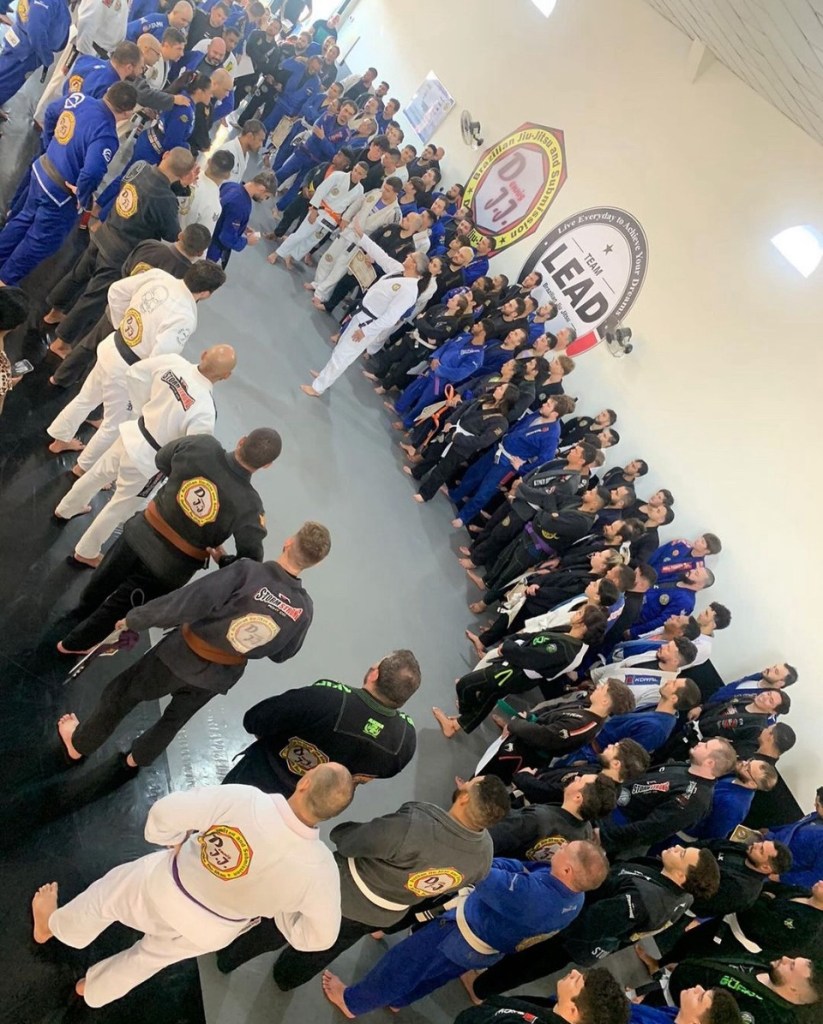
With immense gratitude, I want to express my deep appreciation to everyone who made last weekend in Maringá, Brazil truly unforgettable. Conducting the jiu-jitsu seminar for the Dennis Jiu-Jitsu Club team was a enriching experience, especially in sharing knowledge with over 30 dedicated black belts and the enthusiastic branch affiliates.

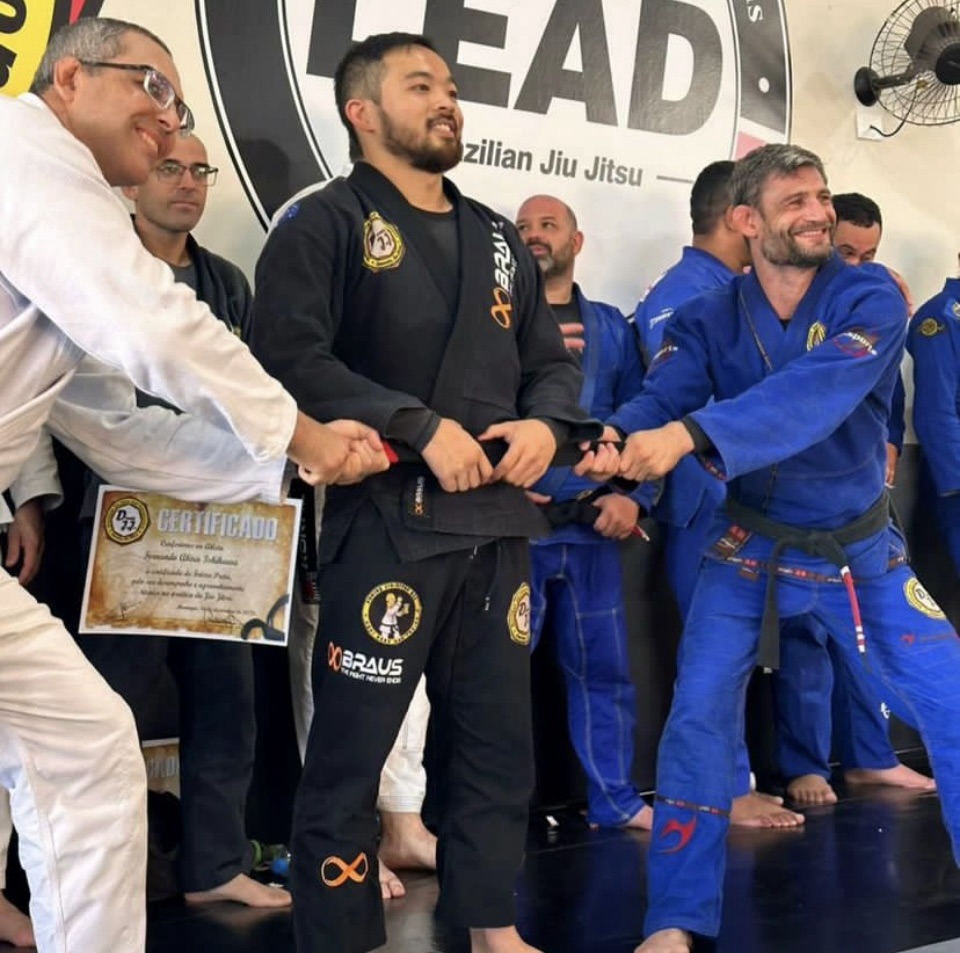
The belt ceremony for the students made the day even more special, reinforcing the importance not only of teaching but also of continuous learning. My sincere thanks extend to every student, friend, and especially to the black belts present. Your commitment is inspiring, knowing that you are crucial role models for the younger students.

A special mention and profound gratitude to Professor Anderson Sarris, whose dedication extends beyond teaching at the DJJC headquarters to playing a vital role in leading the team. His support is invaluable.

In this moment of reflection, I acknowledge that jiu-jitsu is more than a martial art; it is a community where learning is constant, and unity is the driving force. Thank you all for being part of this incredible journey. Together, we will continue to grow and refine not only our skills on the mat but also as a family dedicated to jiu-jitsu.

Many thanks to everyone for making this weekend memorable. I look forward to the next chapters of our journey at Dennis Jiu-Jitsu Club. Oss

Jiu-Jitsu World League, Finals

At the final event of the year, the Jiu-Jitsu World League brought together enthusiasts and competitors at the Silver Spur Arena in Kissimmee, Florida. From 9 am to 7:30 pm, the tournament provided an intense day of matches, involving participants of various age groups, from children to adults. The atmosphere, charged with energy, reflected the passion for the martial art, highlighting the commitment and skill of the competitors. The event not only concluded the sports year but also strengthened the bonds of the Jiu-Jitsu community, celebrating the dedication and sportsmanship that permeate this practice.

The Importance of No Gi Training and Traditional Gi Training

Jiu-Jitsu, deeply rooted in its traditional kimono attire, has witnessed a surge in the popularity of No Gi training in recent years. Both forms of training hold unique advantages and are indispensable for the comprehensive development of a Jiu-Jitsu practitioner.

No Gi training is vital as it simulates real-life situations where opponents are not clad in grabbable attire. This necessitates practitioners to develop a deeper understanding of body control and finishing techniques that do not rely on the use of a kimono. Moreover, No Gi fosters agility, speed, and endurance, given the faster-paced movements and constant adaptation required due to the ever-changing dynamics of combat.

Training with a kimono remains foundational in the world of Jiu-Jitsu. The kimono provides grips and handles that enable practitioners to explore a wider array of control and finishing techniques. Additionally, the kimono emphasizes the importance of positioning and patience, given the slower movements that demand a profound understanding of technical subtleties. Training with a kimono also aids beginners by offering a structured environment that facilitates learning basic techniques.

True mastery in Jiu-Jitsu stems from the ability to seamlessly integrate both training styles. A practitioner proficient in both No Gi and kimono possesses a holistic understanding of the art, capable of adapting to any combat scenario. The complementarity between these styles allows for a more comprehensive evolution, rendering the practitioner versatile and equipped to tackle diverse challenges.

In summary, both No Gi Jiu-Jitsu training and traditional kimono training play pivotal roles in shaping a Jiu-Jitsu fighter. No Gi practice prepares practitioners for real-world situations, whereas kimono training provides a solid technical foundation. Integrating these styles not only hones fighting skills but also nurtures a deeper understanding of Jiu-Jitsu’s fundamental principles.