
Bullying is a growing problem in our society, affecting millions of children and teenagers worldwide. It can cause lasting emotional and psychological damage, impacting the self-esteem, academic performance, and mental health of its victims. Among various strategies to combat this issue, jiu-jitsu stands out as a powerful and effective tool in the fight against bullying.
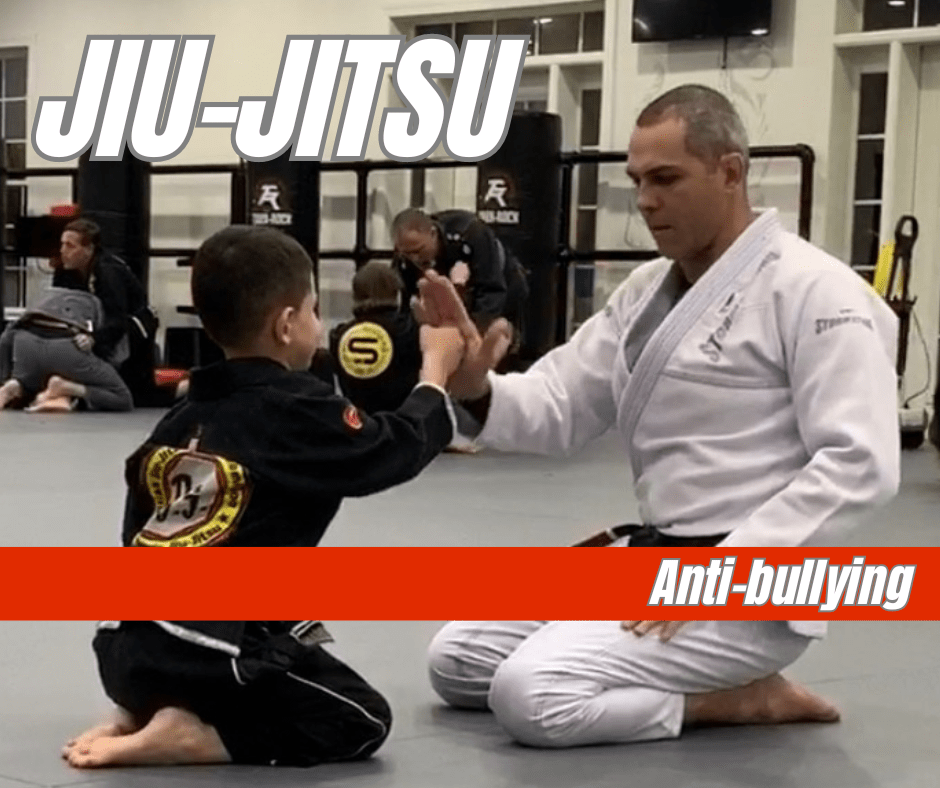
Jiu-jitsu, a martial art that emphasizes technique over brute strength, offers much more than self-defense skills. It teaches discipline, respect, self-control, and resilience. By learning jiu-jitsu, children and teenagers develop strong self-confidence, knowing they have the ability to protect themselves if necessary. This confidence reduces the likelihood of becoming targets of bullying, as aggressors tend to choose victims who appear vulnerable and insecure.
Moreover, jiu-jitsu promotes an environment of camaraderie and mutual support. In training sessions, practitioners learn to respect each other, regardless of their skill level or experience. This culture of respect extends beyond the mats, helping to create more supportive and empathetic school communities. Jiu-jitsu practitioners often become advocates for their peers, using their learned skills and values to intervene and protect those who are being harassed.
The practice of jiu-jitsu also teaches the importance of perseverance and peaceful conflict resolution. Instead of resorting to violence, students are encouraged to use their intelligence and techniques to control situations safely and effectively. This approach can transform how a child deals with confrontations and challenges in their daily life, promoting peaceful and constructive solutions.
In addition to individual benefits, implementing jiu-jitsu programs in schools can significantly positively impact the overall school culture. Regular classes can create a more united school community where mutual respect and protection are prioritized. When students feel they are in a safe and supportive environment, the incidence of bullying tends to decrease, creating a space where everyone can thrive.
In conclusion, jiu-jitsu is a valuable tool in the fight against bullying. It offers more than self-defense; it teaches essential life skills that help children and teenagers become confident, respectful, and resilient individuals. By promoting the practice of jiu-jitsu in schools and communities, we can create safer and more welcoming environments where bullying is effectively combated and children can grow in a supportive and respectful atmosphere.
 EDENILSON LIMA